Quick Summary
Explore Dolibarr vs Odoo ERP to help SMBs make informed decisions. Compare features, scalability, and cost efficiency, and get guidance to align your ERP choice with business growth, internal capacity, and long-term operational needs. By the end, you’ll know which platform best supports both current operations and future expansion plans.
SMBs face a critical crossroads when choosing an ERP: adopt a lean, cost-efficient system now – or invest in a scalable, growth-ready platform that can handle tomorrow’s complexity. The ERP you choose can define how smoothly you scale operations, manage costs, automate workflows, and support growth.
Recent data shows that nearly two-thirds (≈66 %) of growing SMBs with under US$50 million in revenue already leverage ERP systems to unify finance, operations, inventory, and customer data – proving that the right ERP is no longer optional but a key driver of competitiveness.
If your business is relatively simple today – core finance, billing, basic CRM and inventory – Dolibarr may offer the quickest, most economical win. However, if you anticipate expansion into multiple departments, complex inventory/supply chains, e-commerce, or require automation, Odoo becomes a compelling long-term investment in operational scalability.
This article helps you match your business maturity, internal capacity, and growth roadmap against ERP strengths – ensuring you avoid under- or over-investing.
Core Decision Criteria – Choosing the Right ERP for SMBs
Selecting the right ERP is one of the most important strategic decisions for SMBs. The right platform can streamline operations, reduce costs, and lay the foundation for scalable growth. Conversely, choosing the wrong system can create bottlenecks, drain resources, and slow down expansion.
Scope & Complexity of Operations
Determine whether your business needs are limited to finance, billing, and basic CRM, or if they extend to multi-warehouse inventory, sales teams, projects, and HR. An ERP that aligns with your operational complexity today – and can grow with you – prevents future bottlenecks and costly migrations.
Total Cost of Ownership (TCO)
Licensing fees are just the start. Consider hosting (cloud or on-premise), maintenance, module customization, and professional support. Properly evaluating TCO ensures your ERP investment delivers real ROI without hidden costs.
Internal Technical Capacity
Assess whether your in-house IT team can manage deployment, configuration, and maintenance, or if you’ll rely on external consultants. The right mix of internal expertise and partner support ensures a smooth rollout and long-term stability.
Flexibility & Modular Growth
A modern ERP should allow you to start with core modules and gradually add features – such as inventory, manufacturing, CRM, or e-commerce – as your business grows. This modularity prevents over-engineering early on while keeping your business scalable.
Ease of Adoption & Speed of Deployment
User-friendly ERPs accelerate onboarding, helping teams across finance, operations, and sales become productive faster. Faster adoption directly translates into efficiency gains and improved ROI.
Integration Ecosystem & Long-Term Support
Ensure the ERP integrates seamlessly with payment gateways, e-commerce platforms, marketing tools, and analytics systems. Strong vendor support or a vibrant community guarantees the system remains reliable, updated, and scalable as your business expands.
Over 80% of SMBs with under $50 million in revenue have already implemented ERP systems to unify operations and increase efficiency. Most report measurable improvements, from faster financial processes to real-time operational visibility.
By evaluating these factors – operational complexity, costs, technical capacity, flexibility, adoption speed, and integration options – SMB leaders can select an ERP that meets today’s needs while supporting long-term growth, operational efficiency, and digital transformation.
Feature‑by‑Feature: Dolibarr vs Odoo
For SMBs in the USA, selecting the right ERP is about more than features – it’s about aligning the system with your current operations, growth plans, and long-term scalability. Dolibarr and Odoo serve different strategic needs. Here’s a detailed comparison across core business functions to help leaders decide.
Financial Management & Accounting
For SMBs, financial management isn’t just about tracking invoices – it’s the backbone of operational control and scalability. The right ERP ensures accurate accounting, compliance, and actionable insights that support growth.
Dolibarr provides a solid foundation for SMB finance needs. It covers invoicing, ledger entries, VAT and tax handling, expense tracking, and payment management. For businesses operating domestically or with simple structures, Dolibarr delivers the essentials without unnecessary complexity. Its straightforward interface makes it easy for teams with limited technical experience to manage core accounting functions efficiently.
Odoo, on the other hand, is built for complexity and scale. Beyond standard accounting, it supports multi-company operations, multi-currency management, automated bank reconciliation, analytic accounting, automated payment reminders, and consolidated financial reporting. These features make Odoo ERP implementation ideal for SMBs planning expansion, international trade, or managing multiple entities.
Key Consideration for Decision-Makers:
- Choose Dolibarr if your business operates within a single entity and primarily domestic transactions – simplicity and cost-efficiency are your priorities.
- Opt for Odoo if you anticipate growth, multi-entity operations, or require advanced financial controls – it provides future-proof accounting capabilities that scale with your business.
While financial management lays the foundation, operational efficiency extends into inventory, supply chain, and logistics. Understanding how each ERP handles these functions is crucial for SMBs preparing to scale beyond simple accounting.
Inventory, Warehouse, Supply Chain & Logistics
For SMBs, inventory and supply chain management often define operational efficiency and cost control. Choosing an ERP that can handle current stock requirements while accommodating future complexity is critical.
Dolibarr provides basic inventory tracking, stock level management, simplified purchasing, and product management. For small-scale operations or businesses with limited inventory needs, Dolibarr covers the essentials efficiently. Its simplicity ensures minimal setup time and avoids unnecessary overhead, making it ideal for SMBs with straightforward supply chain requirements.
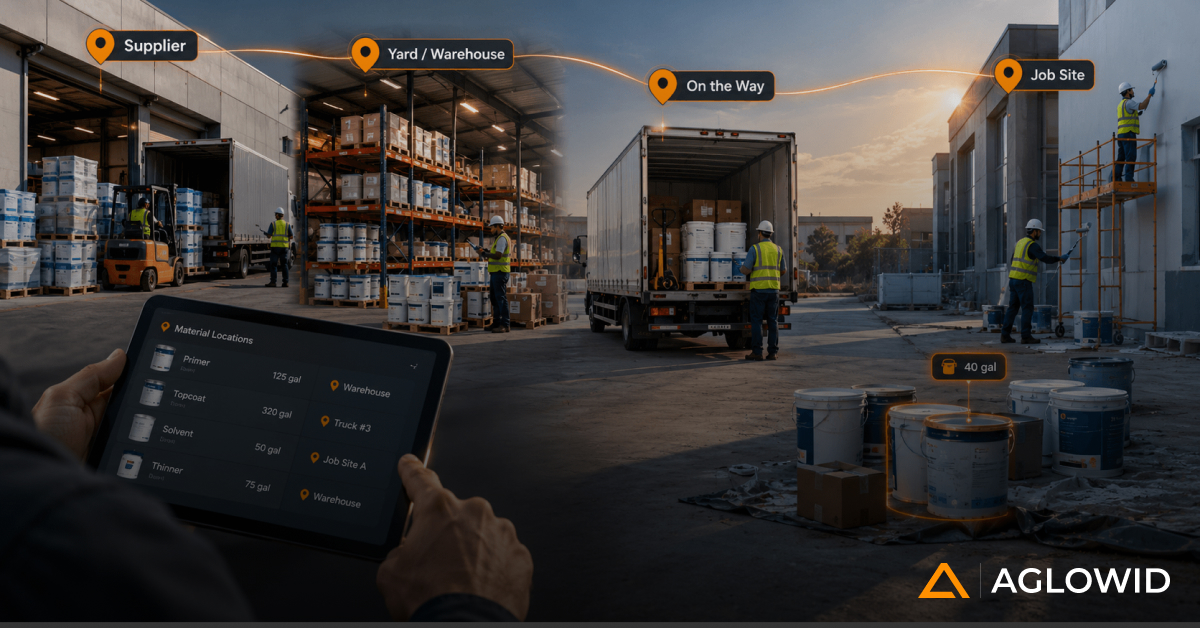
Odoo takes inventory and supply chain capabilities to the next level. It supports multi-warehouse management, serial and lot tracking, integrated logistics, automated purchasing workflows, and end-to-end supply chain management. These features are particularly valuable for retail, distribution, or manufacturing-oriented SMBs that face high inventory turnover or multi-location operations.
Key Consideration for Decision-Makers:
- Dolibarr is suitable if your inventory needs are modest, and your supply chain is straightforward. It delivers “just enough” functionality without burdening your team with complexity.
- Odoo is ideal for SMBs anticipating growth in inventory complexity, multi-location operations, or integrated supply chains. Its advanced modules allow businesses to scale operations efficiently while maintaining accurate stock control.
Effective inventory management is closely tied to customer satisfaction and revenue growth. Next, we’ll explore how these ERPs handle CRM, sales pipelines, e-commerce, and customer management – critical areas for driving sales and retaining clients.
CRM, Sales Pipeline, e-Commerce & Customer Management
For SMBs, managing customer relationships effectively is crucial for revenue growth and long-term loyalty. The right ERP should streamline sales workflows, provide visibility into the pipeline, and integrate with marketing and e-commerce channels.
Dolibarr includes a built-in CRM module that handles contacts, leads, quotes, and orders. This works well for smaller sales teams or straightforward sales processes. Its simplicity reduces the learning curve, allowing SMBs with limited technical resources to stay organized and maintain everyday sales operations efficiently.
Odoo offers a more advanced CRM experience. Features include pipeline management with a visual Kanban interface, lead scoring, sales forecasting, automated follow-ups (emails, tasks), and seamless integration with marketing and e-commerce modules. Structured sales teams can manage multi-channel operations and automation workflows while scaling customer management.
Key Consideration for Decision-Makers:
- Dolibarr is ideal for lean sales operations with a small team and straightforward sales flows, providing essential CRM functionality without unnecessary complexity.
- Odoo is better for SMBs anticipating growth in sales complexity, multiple channels, or marketing automation. Its advanced CRM capabilities give businesses room to scale sales operations while maintaining control and visibility.
While customer management drives revenue, growing teams require robust internal management. Next, we’ll explore HR, Projects & Organizational Management, and how these ERPs support expanding teams and cross-department workflows.
Human Resources, Projects & Organizational Management
As SMBs grow, managing teams, projects, and workflows efficiently becomes critical. The right ERP ensures smooth HR operations, clear project management, and structured organizational oversight.
Dolibarr provides basic HR and project management features, including employee and leave management, simple expense tracking, and timesheets. For small, tight-knit teams, this simplicity keeps processes straightforward and avoids unnecessary complexity.
Odoo offers comprehensive modules for HR and project management. Its features include cross-department workflows, resource allocation, time tracking, and consolidated reporting. These capabilities are particularly valuable for SMBs with growing headcount or multiple departments, ensuring structure, efficiency, and scalability.
Key Consideration for Decision-Makers:
- Dolibarr is ideal for small teams that need simplicity and minimal overhead.
- Odoo is better suited for SMBs with expanding headcount or multi-department operations, offering scalable workflows and structural clarity as the organization grows.
Once HR and project management are covered, the next critical factor is Customization, Modularity & Integration Ecosystem, which determines how adaptable the ERP is for future growth and integrations.
Customization, Modularity & Integration Ecosystem
For SMBs, flexibility and the ability to integrate with other business systems can determine long-term ERP success. The right ERP should support both immediate needs and future growth.
Dolibarr is modular by design – you can enable only the features you need, keeping the system lightweight and straightforward. However, its extension ecosystem is smaller, and advanced customizations often require developer intervention. This makes it suitable for SMBs seeking a lean ERP backbone without over-engineering.
Odoo offers a vast module ecosystem and tools like Odoo Studio, allowing businesses to create custom workflows, dashboards, and even tailor modules without deep coding. Its ecosystem supports integrations with e-commerce platforms, payment gateways, shipping services, marketing tools, and third-party apps – enabling a unified, scalable business system.
Key Consideration for Decision-Makers:
- Dolibarr is ideal if you want a simple, modular ERP that covers essential operations with minimal complexity.
- Odoo is the better choice for SMBs anticipating growth, complexity, or integration needs, providing flexibility, future-proofing, and scalability.
Beyond flexibility, operational success also depends on implementation, deployment, and long-term maintenance. Understanding each ERP’s requirements in these areas is crucial for sustainable growth.
Operational Considerations: Implementation, Deployment & Long-Term Maintenance
Even the most advanced ERP will struggle to deliver value without proper implementation and alignment with your internal capabilities. For SMBs, operational factors like deployment, onboarding, and ongoing support are just as important as features when it comes to maximizing ROI.
Deployment and Hosting
Dolibarr is lightweight and can run on inexpensive LAMP servers, shared hosting, or VPS. This makes deployment quick, cost-efficient, and ideal for SMBs seeking a lean ERP that minimizes IT overhead.
Odoo offers flexible deployment options, including SaaS, on-premise, or hybrid setups. While versatile, it often requires more technical setup, particularly for customization or self-hosting, which may necessitate internal IT support or external consultants.
Onboarding and Training
Dolibarr’s simple interface and straightforward modules reduce the learning curve, enabling teams to become productive quickly. This is particularly valuable for SMBs with smaller finance, operations, or sales teams and limited technical expertise.
Odoo, although visually polished and feature-rich, has a steeper learning curve. Its module-rich interface and customization capabilities demand more training but offer long-term operational efficiency and scalability.
Support and Ecosystem
Dolibarr benefits from an engaged but smaller community, with support mostly through forums or independent providers. This is sufficient for SMBs with modest growth plans and simpler integration needs.
Odoo offers a large professional partner network, frequent updates, and a robust marketplace. For SMBs planning growth, multi-department workflows, or complex integrations, Odoo’s ecosystem ensures reliable support, continuous innovation, and peace of mind.
For SMB decision-makers, evaluating operational factors alongside ERP features can prevent costly delays, reduce adoption friction, and ensure the system scales with your business. The right ERP is not just about functionality – it’s about deployment efficiency, user adoption, and long-term maintainability.
Use‑Case Scenarios: Which ERP Fits Which SMB Profile
| Business Profile / Scenario | Recommended ERP |
|
Lean startup or small SMB with basic finance, billing and limited team size |
Dolibarr – cost‑effective, simple, fast to deploy |
|
Growing SMB adding inventory, sales team, inventory or basic operations complexity |
Odoo – supports scaling, modular growth, robust features |
|
SMB planning expansion: multi‑warehouse, e‑commerce, supply‑chain, cross‑department teams |
Odoo – flexibility, integrations, scalability worthwhile |
|
SMB with limited in‑house IT, tight budget, risk-averse to complexity |
Dolibarr – minimal technical overhead, predictable costs |
|
SMB that wants lean base now but growth-ready footprint later |
Start with Dolibarr; consider migrating or hybrid approach |
Decision Matrix & Strategic Recommendation Framework for SMBs
For SMBs in the USA, selecting the right ERP isn’t just about features – it’s about aligning your choice with business maturity, operational complexity, and growth trajectory. A structured decision matrix can help leaders weigh current needs against future scalability, budget constraints, and internal technical resources.
Mapping ERP Fit: Key Factors to Consider
When evaluating ERP platforms, consider the following dimensions:
- Business Maturity & Complexity: Are your operations limited to finance, billing, and CRM, or do you already run multi-department workflows, inventory, supply chain, and HR processes?
- Budget Constraints & Total Cost of Ownership (TCO): Consider both immediate license or subscription costs and long-term investments such as maintenance, hosting, customization, and future upgrades.
- Internal Technical Capacity: Do you have IT resources to manage deployment, customization, and ongoing support, or will you rely on external partners?
- Growth Roadmap: Evaluate where your business aims to be in 1-3 years and 3-5 years. Which departments, workflows, or revenue streams will expand?
- Critical Functions Now vs Future Needs: Identify which modules are essential today (e.g., finance, invoicing, CRM) and which capabilities might become critical as you scale, like inventory, manufacturing, e-commerce, or marketing automation.
Strategic Approach to ERP Implementation
- Prioritize Must-Have vs Nice-to-Have: Start with core modules needed for current operations and clearly differentiate functions that can be added later.
- Pilot Core Modules First: Implement finance, invoicing, CRM, or other essential modules before committing to a full rollout. This allows your team to adjust and ensures alignment with operational workflows.
- Measure Adoption and Performance: Track user engagement, system performance, and feedback. Use these insights to decide whether to expand within the same ERP platform or adjust strategy.
- Avoid Over-Customization Early: Limit initial complexity to essential modules. Add features and custom workflows gradually as your business scales. This reduces deployment risk and keeps costs manageable.
- Plan Support and Governance: Assign module owners, define processes, train users, and document workflows. Establishing governance ensures consistent adoption, accountability, and operational efficiency across departments.
Applying a structured ERP decision matrix helps SMBs avoid common pitfalls: overpaying for unused features, underestimating technical complexity, or choosing systems that don’t scale with business growth. By mapping business needs, budget, and growth potential against ERP capabilities, SMB leaders can make a strategic, data-driven investment that drives efficiency, reduces operational risk, and supports long-term growth.
Conclusion: Lean Efficiency vs Scalable Growth – Choosing the Right ERP
For SMB decision-makers in the USA, selecting between Dolibarr and Odoo is more than a software choice – it’s a strategic decision that impacts operational efficiency, scalability, and long-term growth.
- Dolibarr is ideal for lean, straightforward operations. If your business prioritizes low cost, quick deployment, and minimal maintenance while focusing on core processes like finance, CRM, and invoicing, Dolibarr provides a smart, efficient ERP foundation today.
- Odoo is designed for SMBs anticipating growth and increasing complexity. If you plan to expand across multiple departments, manage inventory/warehouse operations, integrate e-commerce, or leverage automation, Odoo delivers a robust, scalable ERP platform capable of evolving with your business.
In many scenarios, a phased approach works best. Start simple – deploy Dolibarr or core modules in Odoo, focus on strengthening business fundamentals, and expand your ERP footprint as operational complexity increases.
The ultimate goal is alignment: ensure the ERP’s capabilities match your business maturity, growth roadmap, and internal resources. When implemented thoughtfully, both Dolibarr and Odoo can provide a solid operational backbone. The key is avoiding over-engineering early, investing in features that deliver real value, and scaling deliberately to support long-term success.