Quick Summary
Construction fleet management software is transforming how SMBs track, maintain, and optimize their vehicles and heavy equipment. This blog explores how these solutions improve operational efficiency, reduce costs, and provide actionable insights for decision makers across multiple job sites.
In an industry where operational costs and equipment downtime directly erode profit margins, construction fleet management software has become a strategic asset rather than a nice‑to‑have technology. According to a recent industry survey, 97% of telematics users in construction report reductions in fuel costs of up to 40% after deploying connected fleet solutions -a remarkable impact that highlights how real‑time data and analytics can reshape operational efficiency across job sites.
For SMB decision makers facing rising fuel prices, maintenance backlogs, and complex multi‑site logistics, harnessing this level of visibility empowers smarter decisions, improves equipment utilization, and drives measurable cost savings. This blog brings together actionable insights, strategic benefits, and future trends to help you understand how construction fleet management software can transform your operations and strengthen your competitive edge.
Why Construction Fleet Management Software Is a Game-Changer for SMBs
Managing fleets in the construction industry is no small task. SMBs in the U.S. often grapple with high maintenance costs, idle equipment, rising fuel expenses, and strict safety compliance requirements. Traditional approaches -fragmented spreadsheets, manual logs, and disconnected tracking systems -make it challenging for leaders to make data-driven decisions about asset allocation, job site scheduling, and project budgeting.
How Fleet Management Software Helps Construction Companies
Modern construction fleet software consolidates data from vehicles, heavy equipment, and tools into a single dashboard. This allows SMB decision makers to:
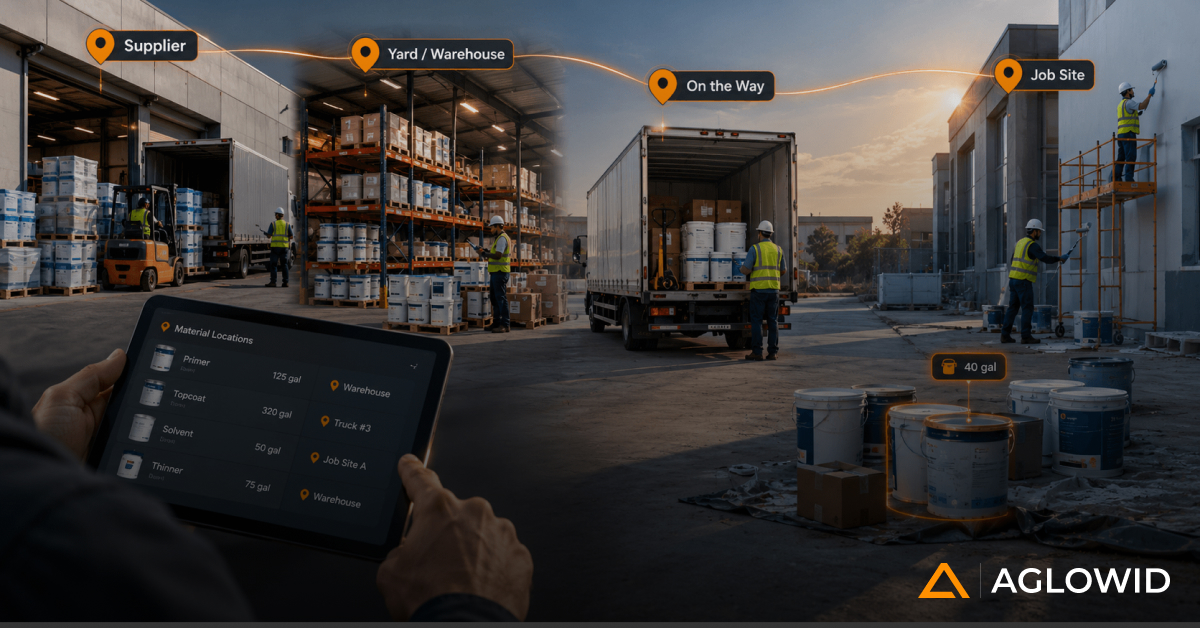
- Monitor assets in real-time: Keep track of equipment locations, usage, and job site deployment with fleet telematics.
- Optimize maintenance schedules: Predictive alerts prevent unplanned downtime and reduce costly repairs.
- Improve equipment utilization: Allocate resources efficiently across multiple projects, ensuring no equipment sits idle.
- Enhance safety and compliance: Automated reporting and digital inspection logs help meet OSHA and state regulations effortlessly.
By centralizing these capabilities, fleet software transforms reactive management into proactive operational control, helping SMBs reduce operational waste and improve overall project performance.
How Fleet Management Benefits the Construction Industry
The impact extends beyond individual companies. Implementing fleet management solutions improves industry-wide efficiency by:
- Cutting operational waste and fuel consumption across projects.
- Accelerating project timelines through better coordination of equipment and personnel.
- Supporting compliance and safety standards to reduce regulatory risks.
For SMBs, these improvements translate directly into lower costs, faster project delivery, and higher profitability -critical advantages in today’s competitive U.S. construction market.
With a clear understanding of these benefits, the next section explores real-world use cases, demonstrating how fleet management software drives measurable ROI for SMB construction operations.
Real-World Fleet Management Use Case Scenarios for SMBs
Managing a construction fleet isn’t one-size-fits-all. SMBs in the U.S. often operate diverse fleets spanning trucks, excavators, loaders, and specialty equipment. Construction software transforms how these assets are tracked, maintained, and optimized, turning day-to-day operations into measurable competitive advantage.
Mixed Fleets: Vehicles + Heavy Equipment
For SMBs juggling multiple asset types, fleet management software provides a unified system for real-time equipment tracking and performance monitoring. Managers can:
- Allocate vehicles and heavy machinery efficiently across projects
- Automate maintenance schedules to prevent costly downtime
- Generate utilization reports for smarter resource planning
This ensures that every piece of equipment is performing at peak efficiency, whether on a local site or spread across multiple regions.
Rental vs. Owned Optimization
Deciding whether to rent or own equipment is a perennial challenge for SMBs. Fleet telematics and data analytics empower decision makers to evaluate:
- Total cost of ownership (TCO): Compare acquisition, maintenance, and operational costs.
- Utilization rates: Identify underused assets that may be better rented than owned.
- Project-specific requirements: Determine equipment needs based on timelines and site logistics.
These insights allow SMBs to make data-driven investment decisions that optimize cash flow and project profitability.
Multi-Site Operations
Operating across multiple job sites introduces complexity: tracking equipment, monitoring usage, and managing logistics can quickly overwhelm manual systems. Construction fleet management software provides:
- Centralized dashboards for real-time visibility across all locations
- Site performance comparisons to identify bottlenecks or inefficiencies
- Automated alerts for delays, idle time, or maintenance needs
This centralized oversight enables SMB executives to deploy resources smarter and faster, improving project timelines and reducing operational waste.
Managing Large Fleets of Construction Equipment
For SMBs with expansive fleets, consolidating tracking, maintenance, and reporting is key. Fleet management software allows companies to manage geographically dispersed assets without increasing administrative burden, ensuring:
- Higher equipment uptime
- Lower operational costs
- Enhanced project coordination across regions
With these real-world scenarios in mind, it becomes clear why understanding the core concepts and features of construction fleet management software is essential for SMB decision makers looking to maximize fleet efficiency and ROI.
Check our Success Story
Construction Fleet Management Software Cuts Equipment Downtime by 40% with Odoo
Industry: Construction – Heavy Civil Equipment Rental
Location: USA
What Construction Fleet Management Software Really Means for SMBs
In today’s competitive U.S. construction market, simply owning a fleet isn’t enough. SMBs need smarter ways to track, maintain, and optimize their vehicles and heavy equipment. That’s where construction fleet management software comes in -a centralized platform that turns fragmented data into actionable insights, helping leaders reduce costs, improve uptime, and drive project efficiency.
At its core, construction fleet software is designed to:
- Monitor vehicles and heavy equipment in real-time
- Manage preventive maintenance schedules to avoid costly downtime
- Track fuel consumption and operating costs
- Provide actionable insights to support operational and financial decisions
For SMB decision makers, this translates into more informed resource allocation, lower operating costs, and optimized fleet utilization.
Construction-Specific vs. Generic Fleet Solutions
Not all fleet management platforms are created equal. While general fleet software may track vehicles, construction-focused solutions are built for the unique challenges of job sites and mixed fleets. Key differentiators include:
- Support for mixed asset types: trucks, loaders, excavators, and specialty equipment
- Rugged device compatibility for harsh construction environments
- Job-site tracking with geofencing, utilization reporting, and telematics
- Integration with ERP, accounting, and project management systems for unified operations
These features ensure data accuracy, operational efficiency, and a seamless connection between field and office teams.
What Is Construction Equipment Fleet Management Software?
These solutions combine GPS tracking, telematics, predictive maintenance, and advanced analytics to optimize fleet performance. By providing real-time visibility into asset location, usage patterns, and maintenance needs, SMBs can reduce unplanned downtime, improve project timelines, and enhance ROI.
What Makes Good Fleet Management Software for Construction
Effective platforms for SMBs share several common traits:
- Intuitive dashboards for real-time decision-making and performance monitoring
- Mobile access for field teams to update inspections, track hours, and log maintenance
- Scalable architecture that supports multi-site operations and growing fleets
- Seamless integration with ERP, accounting, and project management tools to unify operations
By selecting software with these capabilities, SMBs can maximize equipment utilization, cut operational costs, and make data-driven decisions that directly impact profitability.
Now that we understand what these systems are and why they matter, the next section dives into the strategic benefits and measurable business impact of construction fleet management software for SMBs.
Unlocking Real Business Value with Construction Fleet Management Software
For SMBs in the U.S., construction fleet management software isn’t just a tool -it’s a strategic asset that directly drives efficiency, reduces costs, and improves project outcomes. By leveraging GPS tracking, telematics, and real-time analytics, SMB leaders gain actionable insights that turn operational data into measurable business value.
Real-Time Visibility & Operational Control
Keeping track of trucks, loaders, excavators, and other equipment across multiple sites can be overwhelming. Fleet telematics and construction fleet software provide:
- Live asset tracking with GPS and geofencing
- Usage reporting to optimize deployment across projects
- Alerts for anomalies, idle time, or unauthorized usage
This real-time visibility empowers SMB decision makers to make proactive, data-driven decisions rather than reacting to equipment issues after the fact.
Predictive Maintenance → Higher Uptime & Lower Costs
Equipment downtime can significantly delay project timelines and inflate costs. By monitoring engine hours, usage patterns, and wear, construction fleet software enables predictive maintenance, allowing teams to:
- Schedule service before failures occur
- Reduce emergency repairs and labor costs
- Extend the lifespan of high-value assets
Predictive maintenance ensures SMBs keep equipment running at peak efficiency, directly boosting profitability.
Safety, Compliance, and Behavior Tracking
Compliance with OSHA and other regulations is non-negotiable. Fleet software supports SMBs with:
- Digital inspection logs and automated reporting
- Operator behavior tracking to identify training needs
- Safety alerts for high-risk practices or equipment misuse
By improving compliance and site safety, SMBs mitigate risk and reduce liability, while fostering a safer workplace.
Fuel Optimization & Idle Reduction
Fuel costs can be a major expense for SMBs. Fleet management solutions track consumption and idling, helping companies:
- Identify fuel waste and reduce unnecessary idle time
- Optimize routes and scheduling to lower operational costs
- Improve the bottom line without compromising project timelines
Key Features That Drive Business Impact
Decision makers should look for software that offers:
- GPS & telematics tracking for real-time visibility
- Preventive maintenance management for uptime and reliability
- Mobile inspections and work order logging for field efficiency
- Customizable dashboards and reporting for actionable insights
- ERP and project management integration for operational alignment
The Role of Telematics in Construction Fleet Management
Telematics is the backbone of modern construction fleet software, enabling SMBs to:
- Monitor asset location, usage, and condition in real-time
- Improve equipment utilization across job sites
- Reduce operational costs and fuel consumption
- Make informed, data-driven decisions that support project success
Driving ROI and Total Cost of Ownership (TCO) for SMBs
Investing in construction fleet management software isn’t just a technology upgrade -it’s a strategic financial decision. For SMBs in the U.S., the ROI goes beyond the software price, directly affecting operational efficiency, project timelines, and profitability.
Key areas where ROI is realized include:
- Reduced downtime: Fewer unplanned repairs and breakdowns save labor costs and prevent project delays.
- Fuel efficiency gains: Tracking idle time and optimizing routes with fleet telematics reduces fuel expenses.
- Maintenance optimization: Predictive maintenance schedules extend asset lifespan, minimize emergency repairs, and improve equipment availability.
- Productivity improvements: Mobile apps and dashboards reduce manual data entry, streamline field coordination, and enhance real-time decision-making.
For many SMBs, these operational and cost benefits can justify the investment within 12-18 months, making fleet management software a clear driver of measurable ROI.
With ROI in mind, choosing the right platform is critical. SMBs must weigh construction-native solutions versus generic fleet tools to ensure scalability, integration, and long-term value.
Platform Comparison & Selection Criteria for SMB Decision Makers
Selecting the right construction fleet software requires understanding the differences between construction-native solutions and generic fleet tools.
Construction-Native vs. Generic Fleet Tools
- Construction-native platforms are built to handle mixed fleets, rugged job site conditions, and project-specific workflows.
- Generic tools often require extensive customization and third-party integrations to meet construction-specific needs.
Decision Checklist for SMBs
When evaluating software, consider:
- Asset type support: Can the platform manage trucks, loaders, excavators, and specialty equipment?
- Mobile access & offline capabilities: Does it empower field teams in areas with limited connectivity?
- Integration with ERP, accounting, and project management systems: Is data unified across operations?
- Predictive maintenance & telematics capabilities: Can it proactively prevent downtime and optimize utilization?
- Vendor support & scalability: Will the solution grow with your fleet and multi-site operations?
Is It the Best Fleet Management System for the Construction Industry?
The best solution isn’t necessarily the one with the most features -it’s the one that aligns with operational needs, fleet composition, and SMB growth plans. decision makers should prioritize platforms that maximize efficiency, reduce costs, and improve project delivery, while offering the flexibility to scale and integrate with existing systems.
Feature & Capability Maturity Benchmarks for SMBs
Not all fleet management solutions are created equal. Construction fleet software comes in tiers, and understanding which features matter at each maturity level helps SMBs maximize ROI:
- Core Features: GPS tracking, geofencing, automated maintenance alerts, and basic equipment tracking. Ideal for SMBs looking to gain immediate visibility and operational control.
- Advanced Features: Predictive analytics, customizable reporting, and job allocation dashboards to support multi-site operations and smarter resource deployment.
- Premium Features: AI-assisted maintenance forecasting, sustainability and emissions tracking, and EV readiness for forward-looking, eco-conscious SMBs.
- Mobile & Field Enablement: Offline access, inspections, and work order logging, ensuring field teams stay connected even in low-connectivity job sites.
How to Assess Fleet Management Systems for Construction Tech
When evaluating platforms, SMBs should prioritize ease of use, integration potential with ERP/project management tools, and scalability. A system that combines robust features with usability ensures higher adoption, better data quality, and stronger operational impact.
Once you’ve identified the right features, a clear implementation strategy is key to unlocking maximum value.
Implementation Roadmap for Construction Firms
A structured deployment ensures smooth adoption and measurable outcomes:
- Fleet Maturity Assessment: Review current utilization, maintenance, and tracking processes to identify gaps.
- Pilot Deployment: Test the solution on select job sites before full-scale rollout to fine-tune workflows.
- Scaling & KPI Tracking: Standardize dashboards, automate reporting, and monitor key metrics like uptime, fuel efficiency, and utilization.
- Change Management: Train staff, define roles, and establish governance to ensure consistent usage and adoption.
- Success Metrics: Continuously track improvements in fleet performance, project delivery timelines, and cost savings to quantify ROI.
This phased approach ensures SMBs can minimize disruption while realizing tangible business benefits quickly.
As technology evolves, SMBs must stay ahead of trends to maintain competitive advantage.
Future Trends Shaping Next-Gen Construction Fleet Management
SMBs must anticipate technological shifts to stay competitive:
- AI & Predictive Analytics: Forecast maintenance needs, optimize routing, and reduce downtime across multiple sites.
- Sustainability & Emissions Tracking: Monitor fuel usage, implement eco-friendly practices, and comply with evolving environmental regulations.
- Cloud-Native & Mobile Platforms: Enable real-time field access, centralized fleet data, and seamless collaboration between office and job site teams.
Embracing these trends positions SMBs to maximize operational efficiency, improve safety, and reduce costs.
Conclusion
For construction firms in the USA, implementing a robust construction fleet management solution is no longer optional -it’s a strategic necessity. By leveraging real-time insights, fleet telematics, predictive maintenance, and advanced reporting, SMB decision makers can:
- Maximize fleet utilization across vehicles and heavy equipment
- Improve safety and regulatory compliance
- Optimize fuel consumption and reduce operational costs
- Achieve measurable ROI within 12-18 months
Choosing the right platform, ensuring seamless integration with existing systems, and following a structured implementation roadmap empowers SMBs to transform their fleet operations into a strategic growth lever, enhancing competitiveness and sustaining long-term profitability.