Quick Summary:
Construction firms are under pressure to deliver projects faster, with fewer errors and greater transparency. A Construction Client Portal streamlines communication, accelerates approvals, and centralizes every document and decision – directly reducing rework and elevating client satisfaction. This summary breaks down the ROI drivers and why more construction SMBs are making this platform a core part of their digital strategy.
For construction firms, every project is a balancing act: client demands are escalating, margins are razor-thin, and the cost of mistakes is painfully real. Worse still, research shows that rework eats up 5-10% of total project costs, making it one of the most significant hidden drains on profitability.
In this high-stakes environment, relying on scattered emails, WhatsApp chatter, and manual document exchanges is no longer just inefficient – it’s risky. A Construction Client Portal isn’t a luxury; it’s a strategic investment that brings clarity, speeds approvals, and dramatically reduces costly rework – all while building trust with your clients. This guide unpacks the real ROI of a client portal, its operational impact, and why more construction SMBs are prioritizing it as part of their digital transformation strategy.
Why Construction Client Experience Is Now a Profit Lever
For today’s construction firms in the U.S., the client experience isn’t just a relationship metric – it’s a financial one. In an industry where communication delays, unclear approvals, and low project visibility frequently lead to schedule overruns, the quality of your client interactions directly influences profitability. Faster decisions mean fewer bottlenecks. Clear documentation means fewer disputes. Real-time visibility means fewer costly surprises.
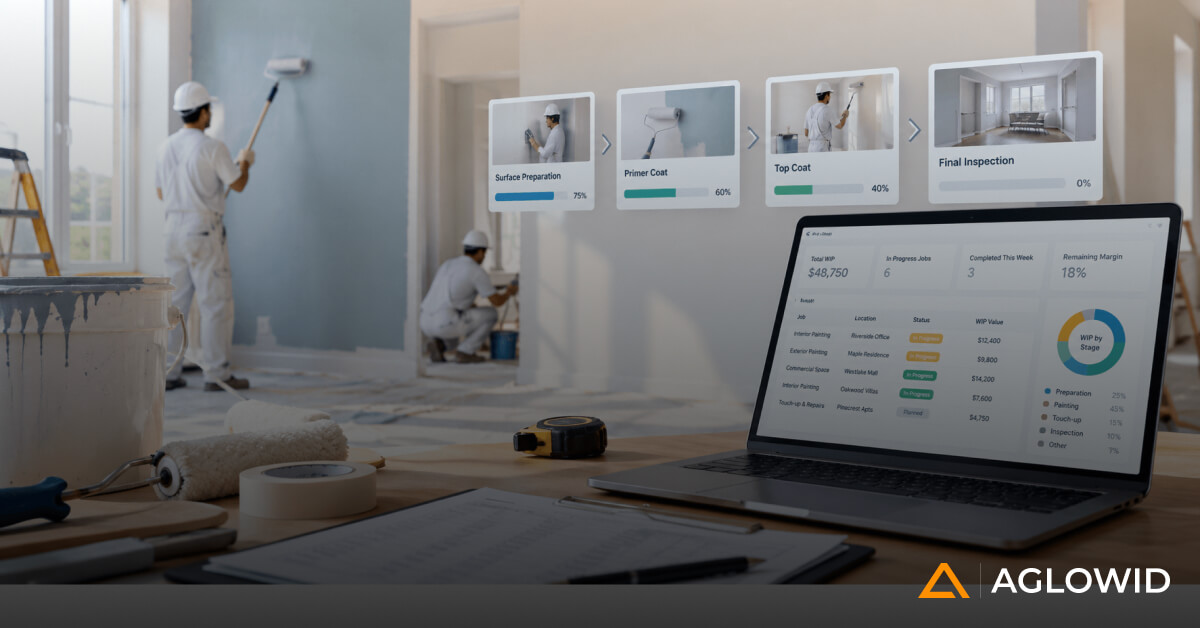
This is where a Construction Client Portal becomes a competitive advantage. Instead of scattered emails, outdated PDFs, and fragmented conversations across calls and messaging apps, a client portal consolidates everything into a single, transparent collaboration hub. Clients gain one-click access to progress updates, drawings, change orders, timelines, budgets, progress photos, and financial documents – without repeatedly reaching out to project managers for clarity.
For construction SMBs, this level of transparency and structured communication reduces friction, strengthens trust, and ensures both sides stay aligned from planning to handover. It transforms the client relationship from reactive to proactive-unlocking smoother approvals, fewer misunderstandings, and a measurable reduction in rework.
Before we dive into the ROI impact, let’s first examine the root challenges that construction businesses face in managing client communication today.
The Real Pain Points Construction SMBs Deal With
For U.S.-based construction firms, operational inefficiencies don’t just slow projects-they erode margins. The biggest contributors are almost always communication breakdowns, approval delays, and lack of real-time project visibility. These issues compound across multiple active projects, creating unnecessary rework, frustrated clients, and overwhelmed project managers.
Fragmented Communication That Causes Costly Delays
Many construction SMBs still rely on outdated communication workflows that were never designed for complex, high-stake projects:
- Endless email chains that bury critical information
- Text and WhatsApp messages that cannot be tracked
- PDF files that quickly become outdated
- Verbal approvals that create ambiguity and disputes
This fragmented approach creates misalignment across stakeholders, slows down decision cycles, and increases the likelihood of errors. Every approval delay or missed instruction pushes the schedule further out, directly affecting profitability.
A Construction Client Portal eliminates this chaos by centralizing every conversation, document, and approval-ensuring faster response times and removing the guesswork from communication.
High Rework Costs Driven by Miscommunication
Rework is one of the most expensive and avoidable problems in construction. According to industry research:
- 52% of rework stems from poor communication and inaccurate information
- Rework adds 5-15% to overall project cost
- Most rework can be eliminated with better documentation and real-time access to updated drawings and specs
For firms operating on tight margins, even a 5% reduction in rework can save hundreds of thousands of dollars annually.
By providing a single source of truth, a Construction Client Portal minimizes errors caused by outdated files, unclear instructions, and missing approvals-protecting margins and improving operational efficiency.
Clients Want Transparency-Without Needing Constant Updates
Modern construction clients expect more visibility than ever before, but they don’t want to depend on your team for every update. They want:
- On-demand project progress
- Real-time budget and cost tracking
- Faster approval cycles
- A single portal where all communication and documents live
Without a centralized platform, project managers often spend hours per week fielding update requests, resending documents, and clarifying decisions-time that should be spent on execution, site coordination, and issue resolution.
A construction project portal gives clients the transparency they expect while reducing the administrative burden on your team.
These challenges are exactly why a Construction Client Portal is no longer optional-it’s becoming a mission-critical system for construction SMBs focused on efficiency, profitability, and client satisfaction.
What a Construction Client Portal Actually Is (and Why It Matters)
A Construction Client Portal is a secure, centralized digital platform that gives clients real-time access to everything happening on their project-without relying on scattered emails, manual updates, or outdated documents. It serves as a unified collaboration space where every stakeholder can access the information they need, when they need it.
With a modern construction project portal, clients can:
- Review project timelines and monitor milestone progress
- Approve change orders instantly, with digital signatures
- Track budgets, costs, invoices, and contingencies in real time
- Access drawings, blueprints, contracts, and specifications-always in their latest version
- View progress photos and site updates, improving project transparency
- Communicate directly with project managers and teams through structured messaging
- Log issues, decisions, and requests with full audit trails
For construction firms operating multiple jobs simultaneously, the portal becomes a virtual command center-streamlining communication, eliminating version confusion, and reducing the administrative workload that drains project managers.
Most importantly, it strengthens client confidence by delivering the transparency, speed, and clarity they increasingly expect from modern construction partners.
The ROI of a Construction Client Portal (Backed by Real Business Impact)
For construction firms, the return on a Construction Client Portal is both immediate and measurable. Beyond convenience, it directly influences profitability by reducing rework, accelerating approvals, improving cash flow, and elevating client satisfaction. Here’s how the ROI translates into real-world outcomes.
Reduction in Rework: Fewer Mistakes = Immediate Cost Savings
Rework remains one of the biggest profit leaks in construction, often caused by poor communication, outdated drawings, or missing approvals. A Construction Client Portal eliminates these issues by ensuring:
- Clients always see the latest, version-controlled drawings
- All approvals are digitally documented and time-stamped
- Instructions are clear, structured, and impossible to misplace
- Every change is tracked in real time with a full audit trail
ROI Insight:
Construction firms report a 20-40% reduction in rework after implementing a client portal.
Why it matters:
For firms, even a 5% reduction in avoidable rework on a multi-million-dollar project can immediately improve margins and free up capacity for more projects.
Faster Approvals = Shorter Project Timelines
Approval delays are one of the most common bottlenecks in construction-and one of the easiest to fix. A construction project portal accelerates the approval workflow by:
- Sending instant approval notifications
- Capturing digital signatures in seconds
- Enabling mobile-friendly approvals from anywhere
- Tracking pending approvals so nothing goes unnoticed
ROI Insight:
Construction SMBs often see project timelines shorten by 10-18%, simply because clients respond faster.
This level of speed improves scheduling, reduces idle labor time, and allows firms to complete more projects per year-directly increasing annual revenue capacity.
Improved Cash Flow Through Faster Billing & Fewer Disputes
Cash flow is the lifeline of any construction business. A Construction Client Portal protects it by maintaining a single source of truth, including:
- A complete and trackable change order history
- Automatically updated budgets and cost breakdowns
- Clear approval logs for every decision
- Real-time work progress tracking
This transparency leads to:
- Earlier invoicing, because documentation is ready instantly
- More predictable payments
- Fewer billing disputes, since everything is traceable
ROI Insight:
Many firms recover thousands in previously disputed charges once documentation becomes airtight.
Higher Client Satisfaction and Repeat Business
Client satisfaction directly impacts revenue. In the construction sector, a single satisfied client can lead to long-term relationships, referrals, and multi-project engagements.
A Construction Client Portal improves the client experience by:
- Providing on-demand visibility into progress
- Building trust through transparency
- Reducing confusion, frustration, and back-and-forth communication
- Keeping clients informed without constant manual updates
ROI Insight:
Companies adopting client portals report a 15-30% increase in repeat business and referrals-arguably one of the strongest ROI drivers.
Operational Efficiency Gains for Project Managers
Project managers are stretched thin, balancing field operations, client updates, schedules, and vendor coordination. A client portal dramatically reduces their administrative workload:
- No need to chase down approvals
- Fewer manual progress updates
- No repeated resending of drawings
- Less clarification on specs or changes
- Fewer ad-hoc client calls
ROI Insight:
PMs typically reclaim 6-10 hours per week, enabling them to focus on site execution, risk management, and quality control-areas that directly impact profitability.
Check our Success Story
Construction Fleet Management Software Cuts Equipment Downtime by 40% with Odoo
Industry: Construction – Heavy Civil Equipment Rental
Location: USA
Core Features Every Construction Firm Should Expect
A high-performing Construction Client Portal isn’t just a communication platform-it’s a full operational layer that streamlines documentation, accelerates decisions, and gives clients the level of transparency they increasingly expect. For U.S.-based construction SMBs, the right portal should include the following essential capabilities.
Real-Time Project Dashboards
A modern construction project portal provides centralized, live insights into every active job, helping clients and internal teams stay aligned without endless follow-ups. Dashboards typically include:
- Current project progress
- Key milestones and completion percentages
- Upcoming tasks and dependencies
- Schedule delays or red flags
- Potential risks that need escalation
This level of real-time project visibility builds trust and reduces miscommunication-two critical drivers of client satisfaction.
Document Management & Version Control
Outdated drawings and misplaced documents are among the biggest sources of construction errors. A client portal ensures:
- All plans, drawings, submittals, and specs are version-controlled
- Clients always access the latest approved files
- Every edit is tracked with a clear revision history
This eliminates confusion, prevents rework, and gives teams a reliable single source of truth. A modern portal should integrate seamlessly with systems like ERP or tools such as Odoo, ensuring documents, budgets, and approvals stay synchronized.
Budget Tracking & Financial Transparency
Clients increasingly demand clarity into how budgets evolve throughout the project. A Construction Client Portal offers real-time visibility into:
- Total budget consumption
- Approved and pending invoices
- Change order cost impact
- Contingency usage and remaining allowances
With transparent financial tracking, billing conflicts decrease and clients gain greater confidence in your cost management process.
Change Order Automation
Change orders often slow down projects due to manual workflows and incomplete documentation. Portal-based CO management allows teams to:
- Submit change orders with a single click
- Capture immediate digital approvals
- Show instant cost implications
- Maintain complete audit trails for every CO
Automated CO workflows dramatically reduce delays and errors.
Communication & Messaging Hub
Instead of sifting through emails, texts, or verbal updates, a Construction Client Portal provides a structured communication space where teams and clients can collaborate efficiently. It reduces dependency on:
- WhatsApp or text messages
- Verbal approvals that are hard to track
All conversations stay organized, searchable, and tied to the right project documents.
Photo & Site Progress Updates
Visual progress updates help clients understand exactly what’s happening on-site without needing constant walkthroughs. With photo documentation:
- Stakeholders see real-time field updates
- Visual evidence supports approvals and billing
- Transparency improves client trust dramatically
This also helps settle disputes faster by providing consistent visual records.
Approval Workflows & Digital Signatures
Slow approval cycles are a major cause of delays in construction. Digital approval workflows ensure:
- Faster turnaround on decisions
- Mobile-friendly signing for clients on the go
- Complete elimination of ambiguous or verbal approvals
This accelerates timelines and reduces bottlenecks across all project phases.
With these features understood, the next step is selecting a Construction Client Portal that aligns with your workflows, integrates with your existing systems, and supports the scale of your operations.
How to Choose the Right Construction Client Portal for Your SMB
Selecting the right platform goes beyond features-it’s about ensuring long-term usability, efficient collaboration, and fit within your existing operational ecosystem. Here’s what construction firms should evaluate before committing.
Prioritize Ease of Use
A client portal must be intuitive from day one.
If clients or project stakeholders struggle to navigate the interface, adoption plummets and efficiency gains disappear.
Mobile-First Performance
Construction workflows happen on the move.
Your portal should offer:
- Smooth mobile navigation
- Fast-loading pages
- On-site upload capabilities for photos, documents, and updates
Seamless Integration With Your Tech Stack
A strong portal should connect smoothly with your existing systems, reducing double entry and ensuring real-time data flow. Ideal integrations include:
- ERP platforms
- Project management tools
- Estimation and bidding software
- Accounting systems
Robust Security & Access Governance
With sensitive project, financial, and contractual data involved, the portal must offer:
- Role-based access
- Encrypted data transfers
- Permission controls for external and internal users
Flexible & Customizable Workflows
Construction firms run on diverse approval structures.
Choose a system that allows you to tailor:
- Approval hierarchies
- Notification rules
- Document routing
- User permissions
This ensures the portal adapts to your processes-not the other way around.
Implementation Roadmap for Construction SMBs
Rolling out a construction client portal requires a structured plan to ensure smooth adoption and measurable operational gains. This roadmap helps construction teams implement with confidence and scale effectively.
Audit Your Current Client Workflow
Start by mapping how information moves today. Identify:
- Workflow bottlenecks
- Approval slowdowns
- Common miscommunication loops
This baseline helps you prioritize what the portal must fix first.
Pilot With One or Two Live Projects
Before deploying firm-wide, run a controlled pilot.
This allows teams to surface usability issues, gather client feedback, and fine-tune configurations without operational disruption.
Train Internal Teams & Client Stakeholders
Successful adoption is the core driver of ROI.
Offer quick-start guides, role-based walkthroughs, and short training sessions to ensure both teams and clients understand how to use the portal effectively.
Automate the Most Impactful Processes First
Begin with workflows that deliver immediate value, such as:
- Approvals
- Document management
- Change order submissions and tracking
Early wins build momentum for wider adoption.
Scale Across All Client Touchpoints
Once teams are comfortable and processes stabilize, extend portal usage to:
- All active projects
- All client interactions
- Cross-department scenarios (finance, project controls, field teams)
This ensures consistent communication and transparency across the entire project lifecycle.
7. The Future: AI-Enabled Construction Client Portals
In the next 3-5 years, AI capabilities will reshape how construction firms manage projects-making the digital transformation journey unavoidable for contractors. The next generation of client portals is moving far beyond basic document sharing and approvals. AI is reshaping how construction firms manage clients, predict risks, and maintain project transparency. Emerging capabilities include:
- Predictive approval delay alerts that flag bottlenecks before they impact the schedule.
- Automated drafting of change orders, reducing manual effort and cutting turnaround time.
- AI-generated progress summaries that consolidate field updates, photos, and documents into clean client-ready reports.
- Risk detection for misaligned drawings or specs, helping teams prevent rework and avoid costly field mistakes.
SMBs investing in a Construction Client Portal today are building the foundation to adopt these AI capabilities seamlessly-without major reimplementation or retraining. This positions them ahead of competitors as the industry shifts toward AI-driven project management and client experience.
Conclusion: Construction Client Portals Are Becoming a Competitive Advantage
For U.S. construction SMBs, a modern Construction Client Portal is no longer a “nice to have.” It’s becoming a core differentiator that drives operational efficiency and client satisfaction. With the right platform, firms can unlock:
- Reduced rework through better documentation and real-time project visibility
- Faster approvals via automated workflows and digital signatures
- Improved cash flow with transparent budget tracking and quicker invoice review
- Stronger client relationships built on transparency and consistent communication
- Higher repeat business and referrals, driven by a streamlined client experience
In a market where margins are tight, project timelines are unforgiving, and client expectations continue to rise, firms that prioritize clarity, speed, and collaboration set themselves apart. Construction Client Portals empower contractors to work smarter, scale confidently, and win more business-both today and in the years ahead.